Fishing Cord Costs Uncovered: Finding the Best Value for Your Gear
Understanding angler's line prices is essential for anglers seeking value in their gear. The market offers a wide range of options, each with unique characteristics and costs. Factors such as material and brand can significantly influence pricing. As get details anglers navigate these choices, they face both opportunities and pitfalls. What should they prioritize to guarantee peak performance without going over their budget? The answers lie in a detailed examination of available lines and their respective advantages.
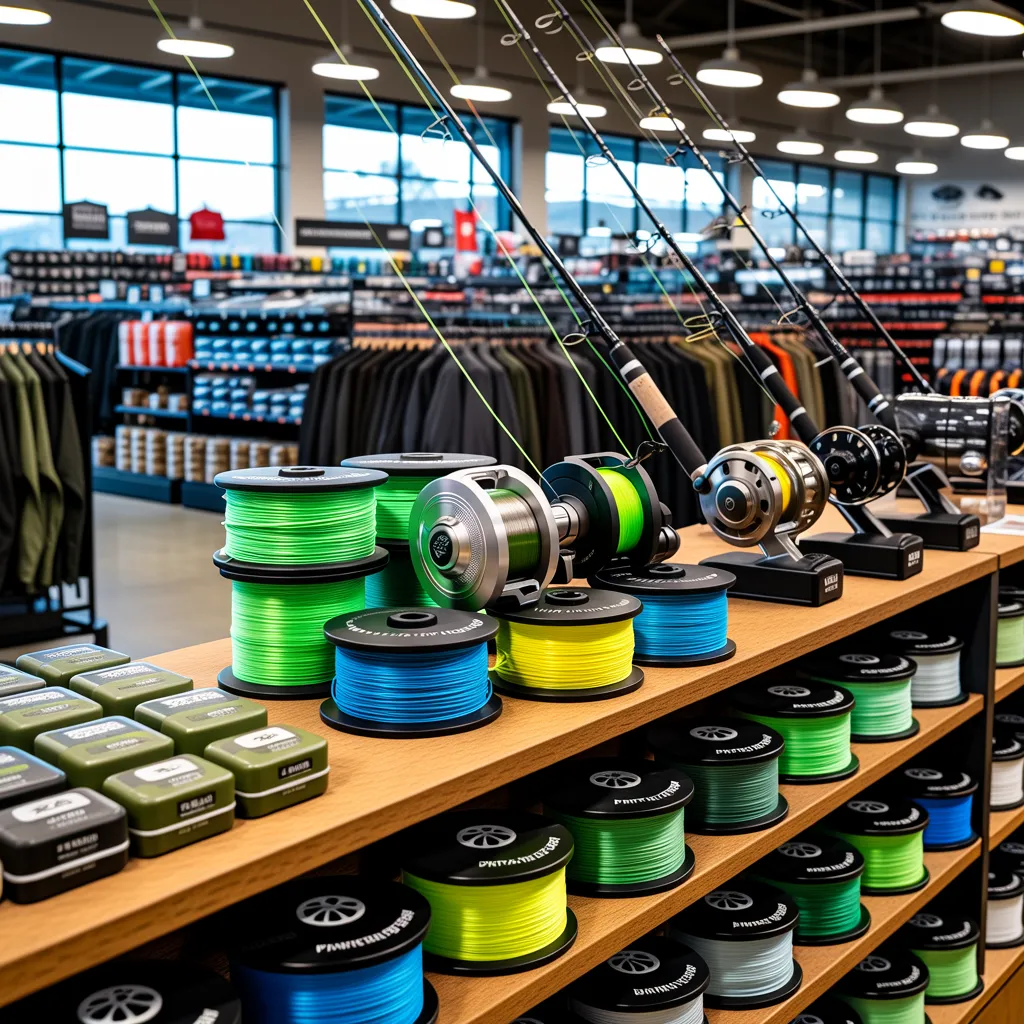
Discover What Kinds of Fishing Lines Are Available and How Much They Cost
When anglers assess their options, they find a range of fishing lines available, each with unique features and price points. The most common types include monofilament, fluorocarbon, and braided lines. Monofilament is known for its flexibility and affordability, typically ranging from $5 to $30 per spool. Fluorocarbon, which provides excellent invisibility underwater, usually costs between $10 and $50, depending on the brand and diameter. Braided lines, praised for their strength and sensitivity, can vary widely in price, often falling between $15 and $100, depending on the quality and length. Each type serves particular fishing techniques and conditions, influencing an angler's choice. Understanding the differences and associated costs helps anglers select the most suitable line for their needs, ensuring they invest wisely in their fishing gear. Ultimately, the right fishing line enhances performance while aligning with budgetary considerations.
Crucial Factors Affecting Fishing Line Prices and Costs
Several elements influence the costs of angler lines, affecting the overall price for anglers. The kind of material employed is a major factor; options such as monofilament, fluorocarbon, and braided lines each have unique costs due to their manufacturing processes and performance features. Additionally, brand reputation matters greatly, as well-known manufacturers often charge a premium for their products due to established trust and quality assurance.
The gauge, robustness, and measure of the line also impact pricing variations. Thinner, hardier lines commonly command higher prices due to state-of-the-art technology and production materials. Fluctuations in demand can further affect costs; prices may increase during high-demand seasons as retailers adjust to market trends. Finally, packaging and additional features, including UV resistance or abrasion resistance, can add to the overall price, making it necessary for anglers to take these factors into account when selecting their equipment.
Ways to Choose the Perfect Fishing Line when Budget-Conscious
When picking a fishing line on a cost constraint, it is important to first assess fishing requirements to guarantee the right match for the type of fishing. Comparing different line types can reveal options that provide quality without spending too much. Also, taking advantage of seasonal sales can lead to notable discounts, making it easier to obtain the perfect line at an budget-friendly price.
Analyze Your Fishing Necessities
Choosing the best fishing line can significantly influence both effectiveness and spending, so it's important to consider unique fishing demands before making a purchase. Anglers should consider factors such as the fishing method planned, the species targeted, and the fishing environment. For instance, freshwater fishing may call for varied line properties compared to saltwater fishing. Additionally, line robustness, diameter, and visibility are key to fit the fishing techniques employed. Budget-conscious anglers should also examine how often they fish, as this can influence the need of premium lines versus more economical options. Ultimately, a tailored approach guarantees that anglers spend wisely in a fishing line that satisfies their specific requirements without overspending.
Analyze Line Categories
Although line choices for fishing may seem overwhelming, understanding the varied options available helps anglers make informed decisions without straining their budgets. Monofilament lines are cost-effective and versatile, making them ideal for beginners. They provide notable elasticity, which helps absorb shocks but may need more frequent replacements. Braided lines, though pricier, offer superior strength and sensitivity, allowing for thinner diameters. This can result in savings in the long run, particularly for seasoned anglers going after bigger fish. Fluorocarbon lines, often the highest cost, deliver invisibility underwater and outstanding abrasion resistance. The choice of line ultimately depends on the fishing environment, target species, and personal preference, helping anglers get the most from their gear investment.
Explore Seasonal Offers
Seasonal sales present an ideal chance for fishermen to find quality fishing cords at discounted prices. Retailers often mark down fishing gear during certain times of the year, such as pre-summer or post-holiday sales, allowing cost-aware anglers to stock up on essential supplies. By monitoring these sales, anglers can obtain premium lines, including monofilament, braid, and fluorocarbon, without overspending. Additionally, signing up for newsletters or following brands on social media can provide alerts on upcoming promotions. Before purchasing, it is advisable to compare prices across various retailers to guarantee the best deal. Ultimately, strategic shopping during seasonal sales enables anglers to enhance their gear while adhering to budget constraints.
Brand Assessment: Pricing and Performance of Fishing Lines
The fisher's line market has an array of brands, each providing distinct options regarding costs and quality. Established brands like Berkley and Stren generally command higher amounts due to their reputation for sturdiness and capability. Berkley’s FireLine, for instance, is recognized for its strength and sensitivity, making it a favorite among professional anglers despite its premium tag.
Conversely, brands such as KastKing and SpiderWire provide competitive alternatives at lower price points, attracting budget-conscious consumers without compromising too much on quality. KastKing’s SuperPower line, for example, features impressive tensile strength and abrasion resistance, often at a fraction of the cost of premium lines.
Ultimately, the selection among brands frequently relies on the angler’s individual needs, preferences, and budget. Assessing the balance of price and quality can lead to more informed purchasing decisions, guaranteeing that anglers find the best value for their gear.
Top Locations to Buy Fishing Cord Offers
Where can fishers discover the top deals on fishing line? Numerous options exist, extending from local shops to online retailers. Local sporting outlets commonly have seasonal sales or promotions that yield considerable savings. In addition, big-box retailers regularly offer discounts, particularly during peak fishing seasons.
Online platforms like Amazon and eBay offer competitive prices and user reviews, giving anglers the ability to compare products easily. Specialty fishing websites commonly offer exclusive deals or bulk pricing, options that prove especially beneficial for passionate fishermen.
An additional way to save is through membership programs at fishing clubs or loyalty programs at major retailers, which may provide price reductions or bonuses on future purchases. Social media and fishing forums can furthermore bring to attention anglers about flash sales or clearance events. By taking advantage of these options, anglers can get the best value for their fishing line needs.
Usual Mistakes to Avoid When Selecting Angling Line
When selecting fishing line, anglers often miss critical factors that can greatly impact their performance on the water. One common error is prioritizing price over quality. While budget-friendly options may seem appealing, they can lead to regular breakages or poor performance. Additionally, many anglers fail to consider the line's suitability with their specific fishing techniques. Using monofilament for finesse fishing or braided line for heavy cover may produce better results.
One frequent error is neglecting to match the tensile strength of the line to the targeted species. Picking a line that is too weak can lead to lost catches, while one that is excessively strong may deter fish. Lastly, anglers often underestimate the importance of line visibility; selecting the wrong color can impact fish visibility and scare them away. By avoiding these common pitfalls, anglers can make more informed decisions, improving their overall fishing experience.
Frequently Posed Questions
How often should I replace my fishing line?
Generally, a fishing line ought to be swapped out every six months to a year, based on usage frequency and environmental conditions. Wear indicators, like threadbare spots or discoloration, indicate that a replacement is needed.
Can Fishing Line Become Ineffective or Degrade Over Stretch of Time?
Fishing line can indeed expire or degrade as time passes due to exposure to sunlight, moisture, and chemicals. Periodic inspections and adequate storage can help increase its lifespan, ensuring peak performance during fishing activities.
Exploring the distinction among Monofilament and Fluorocarbon fishing lines
Monofilament lines offer stretchiness and shock absorption, whereas fluorocarbon lines are more transparent underwater and possess superior abrasion resistance. Each type is suited to a range of fishing conditions, influencing choice by factors like visibility and sensitivity.
Are There Environmentally Friendly Fishing Line Alternatives Accessible?
Yes, sustainable fishing line options are available, featuring monofilament made to biodegrade and recycled materials. These options are designed to cut down on environmental impact while retaining performance, offering anglers sustainable choices for ethical fishing practices.
Can the shade of fishing line alter your catch outcomes?
The color of fishing line can impact fishing success, since some colors may be less visible underwater, depending on the environment. Anglers frequently test a variety of colors to identify which delivers the best outcomes in particular conditions.